We Listen
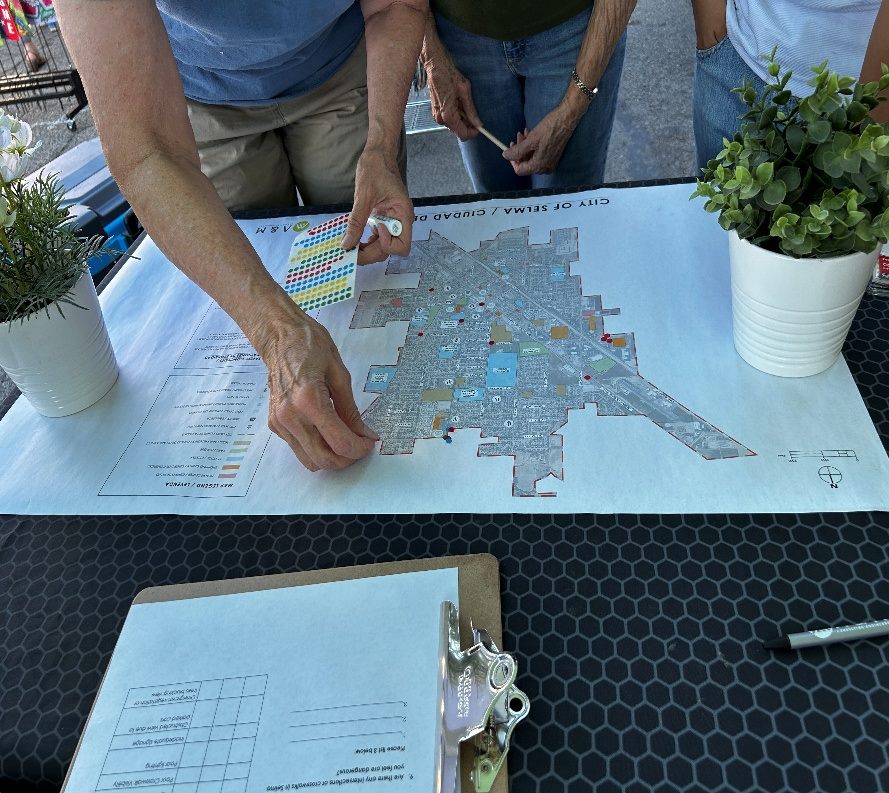
Workshops, pop-up events, and bilingual surveys let residents tell us which streets and crossings feel unsafe.

Tactical urbanism is a fast, low-cost way to try a street-safety idea right on the pavement — with paint, planters, and cones. A community gets to see it, walk it, and feel it. We measure what actually changes. And only the ideas that prove themselves move on to permanent construction.
Bring this to your cityYou don't have to spend a year and a million dollars to find out whether a crossing will feel safer. Tactical urbanism uses temporary, low-cost materials to build a real, working version of the idea in a weekend — so residents experience it firsthand and decision-makers get real-world performance data.
If it works, the data helps the city fund and build it for good. If it needs tweaking, we adjust it on the spot. Either way, the community is part of the design — not just told about it after.
Every pilot follows the same honest path — listen first, let the data confirm it, test it in the open, and let the results decide what becomes permanent.
Workshops, pop-up events, and bilingual surveys let residents tell us which streets and crossings feel unsafe.
Crash history and vehicle-speed counts confirm the patterns — so we target the spots where the need is real and measurable.
Where community concern and the safety data overlap, we've found a high-impact place to test.
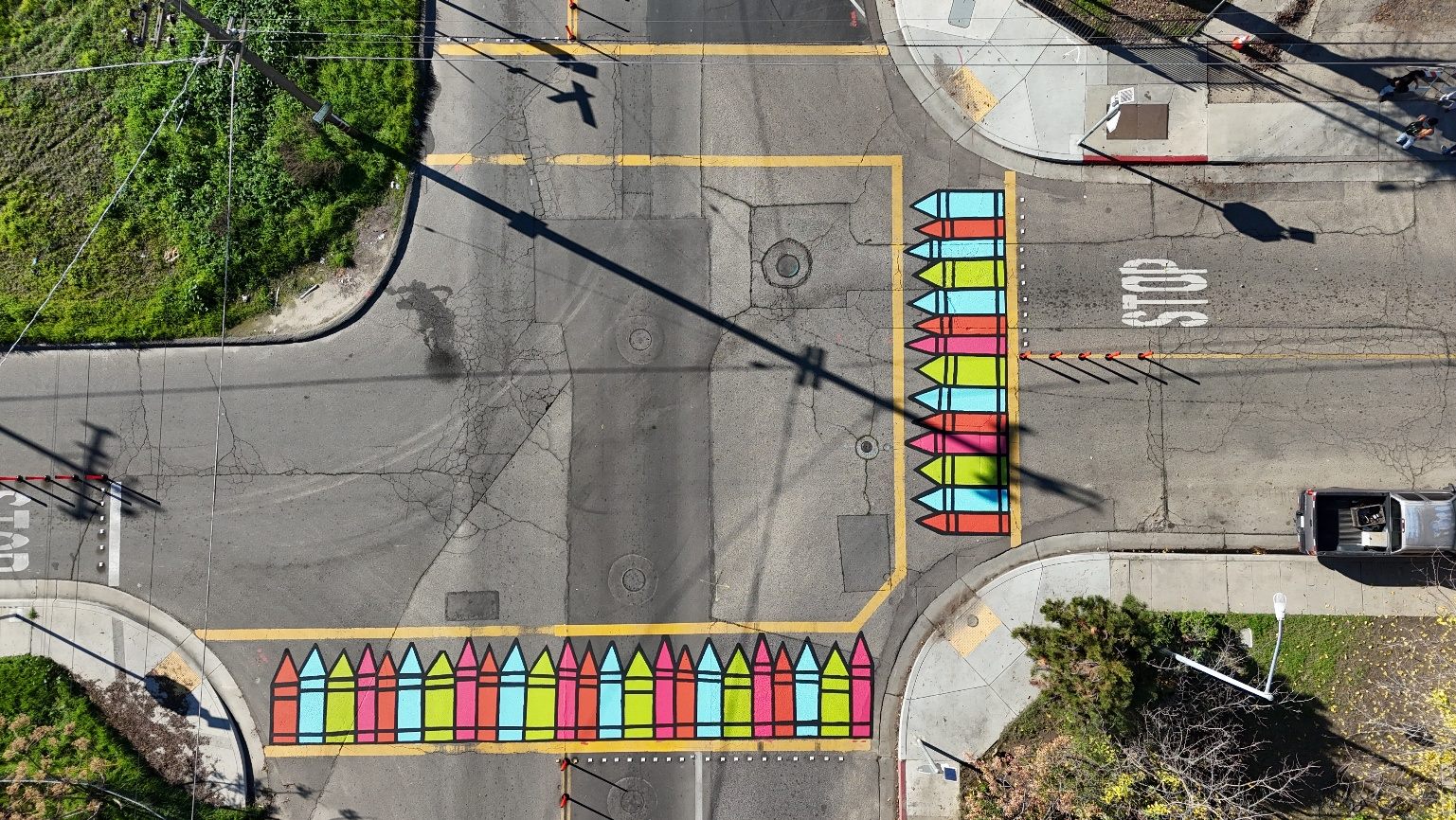
Using temporary, low-cost materials, we build a real, working demonstration — often with students and neighbors helping paint it.
Before-and-after speed data, field observations, and resident surveys show exactly what changed — and what to refine.
The treatments that prove themselves become the blueprint for permanent improvements — and the evidence to help fund them.
Selma asked a simple question: how do we make it safer for kids to walk and bike to school? We answered it the tactical-urbanism way — testing four real crossings near schools, measuring everything, and letting the whole community take part.
At Thompson Avenue by Selma High School, we counted vehicle speeds for four days before the pilot and four days after. The shift toward safer speeds was immediate and measurable.
More kids crossing in front of cars moving at survivable speeds.
The speeds most likely to kill a pedestrian — cut by more than half.
Real streets in Selma — designed with the community, painted with the community, and measured for the community.
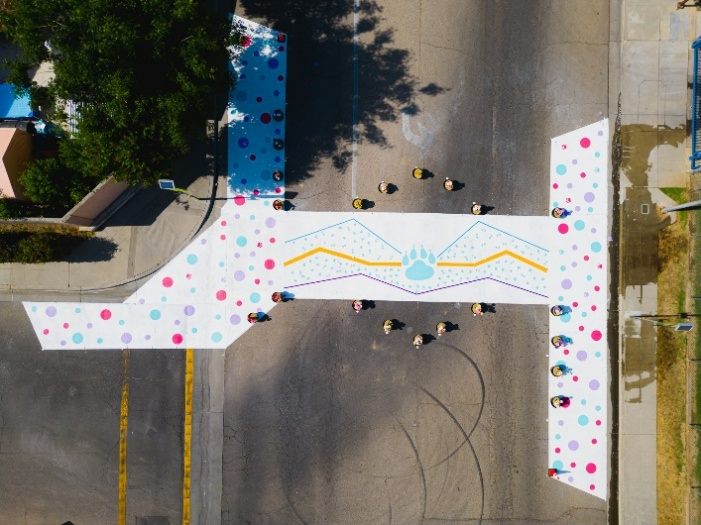
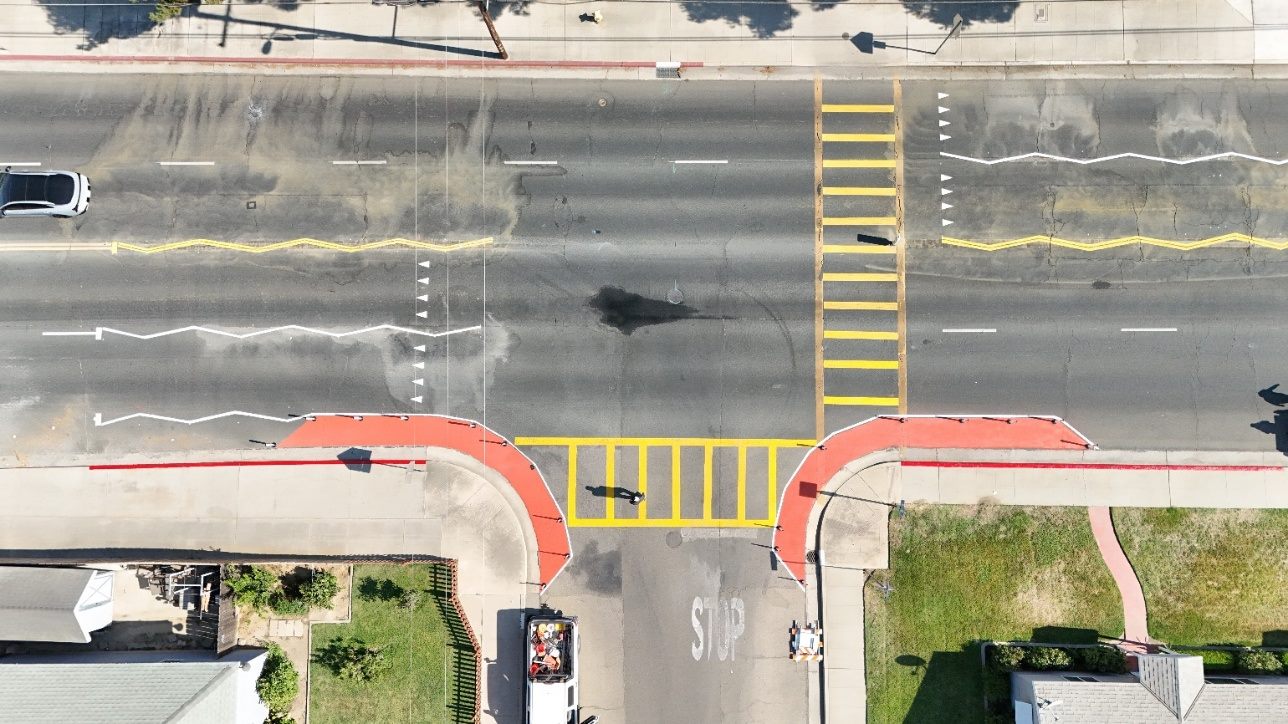
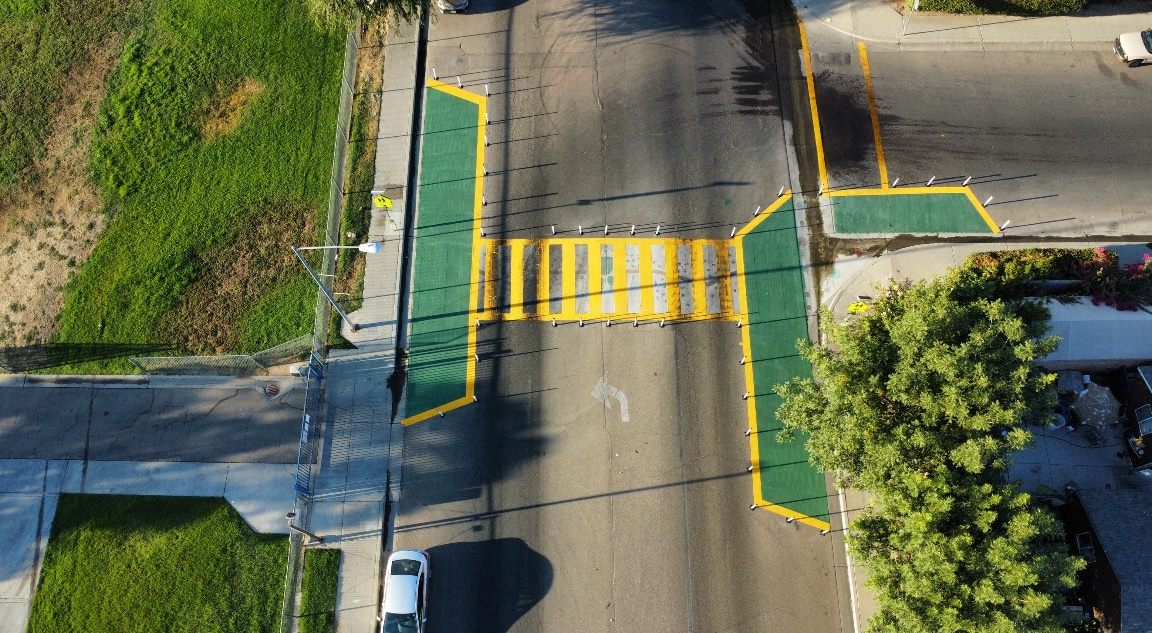
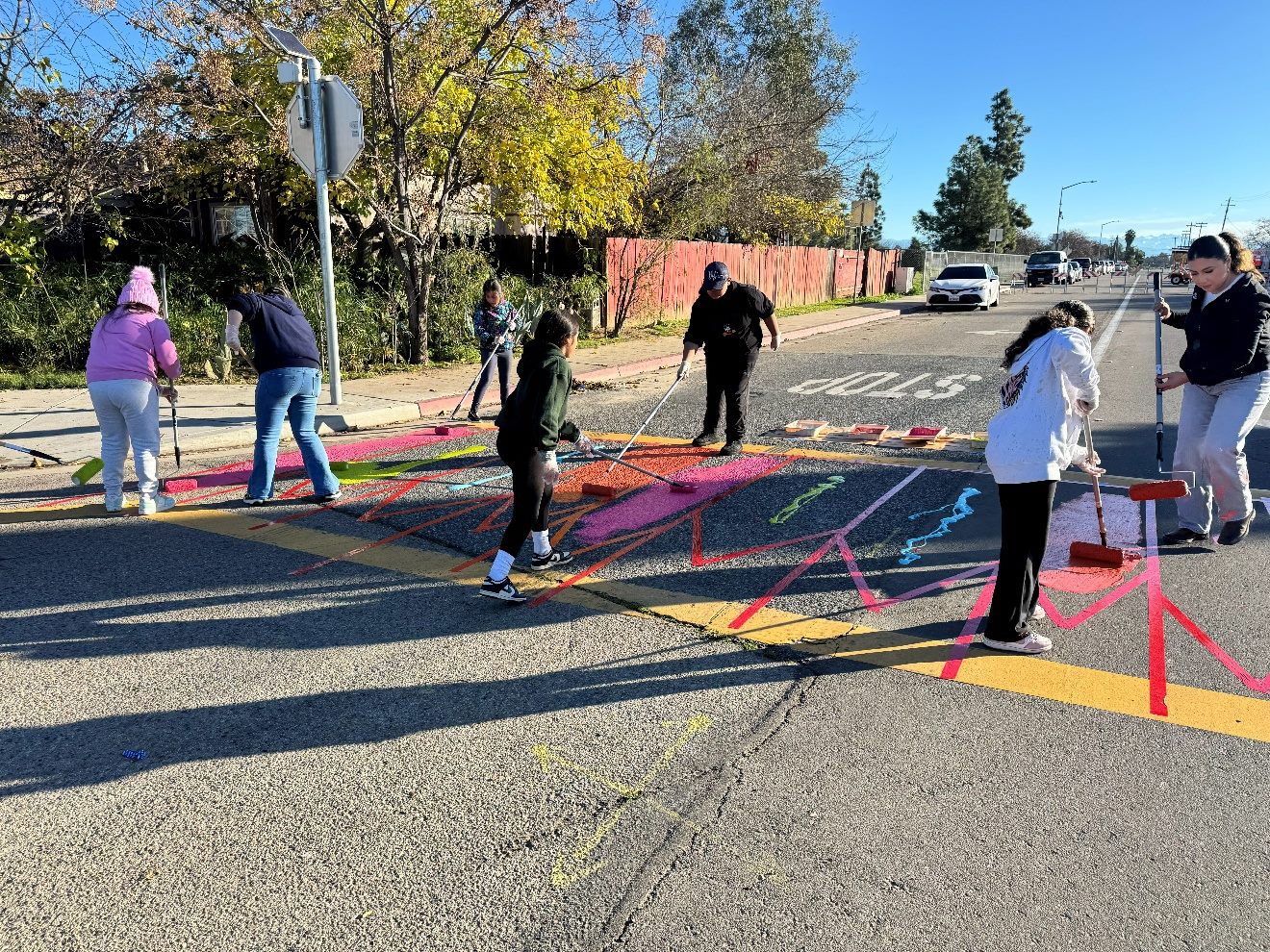
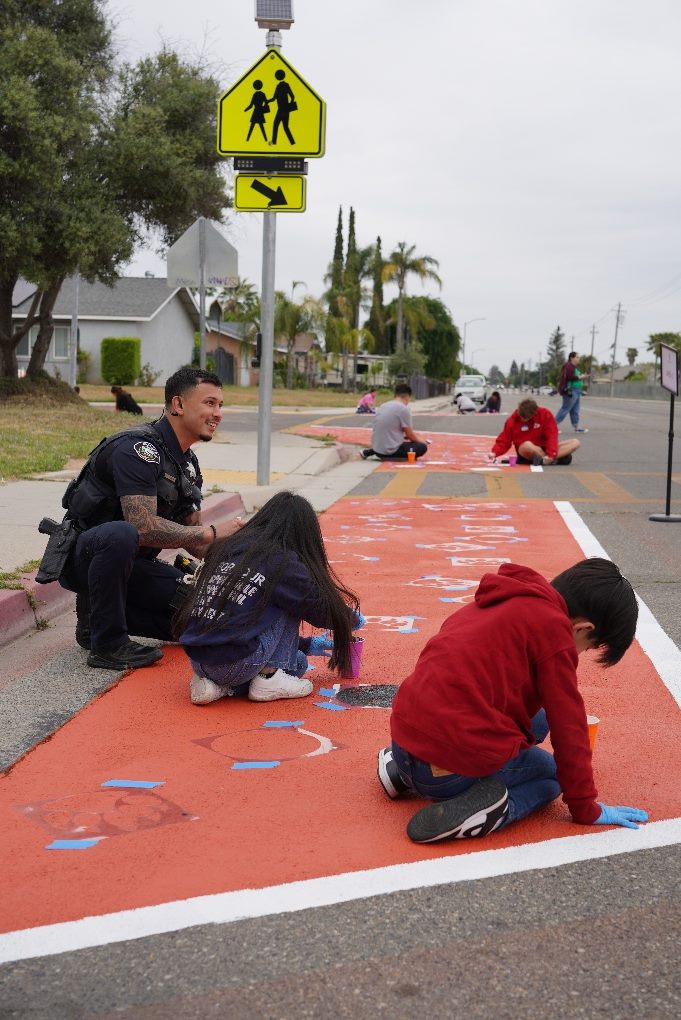
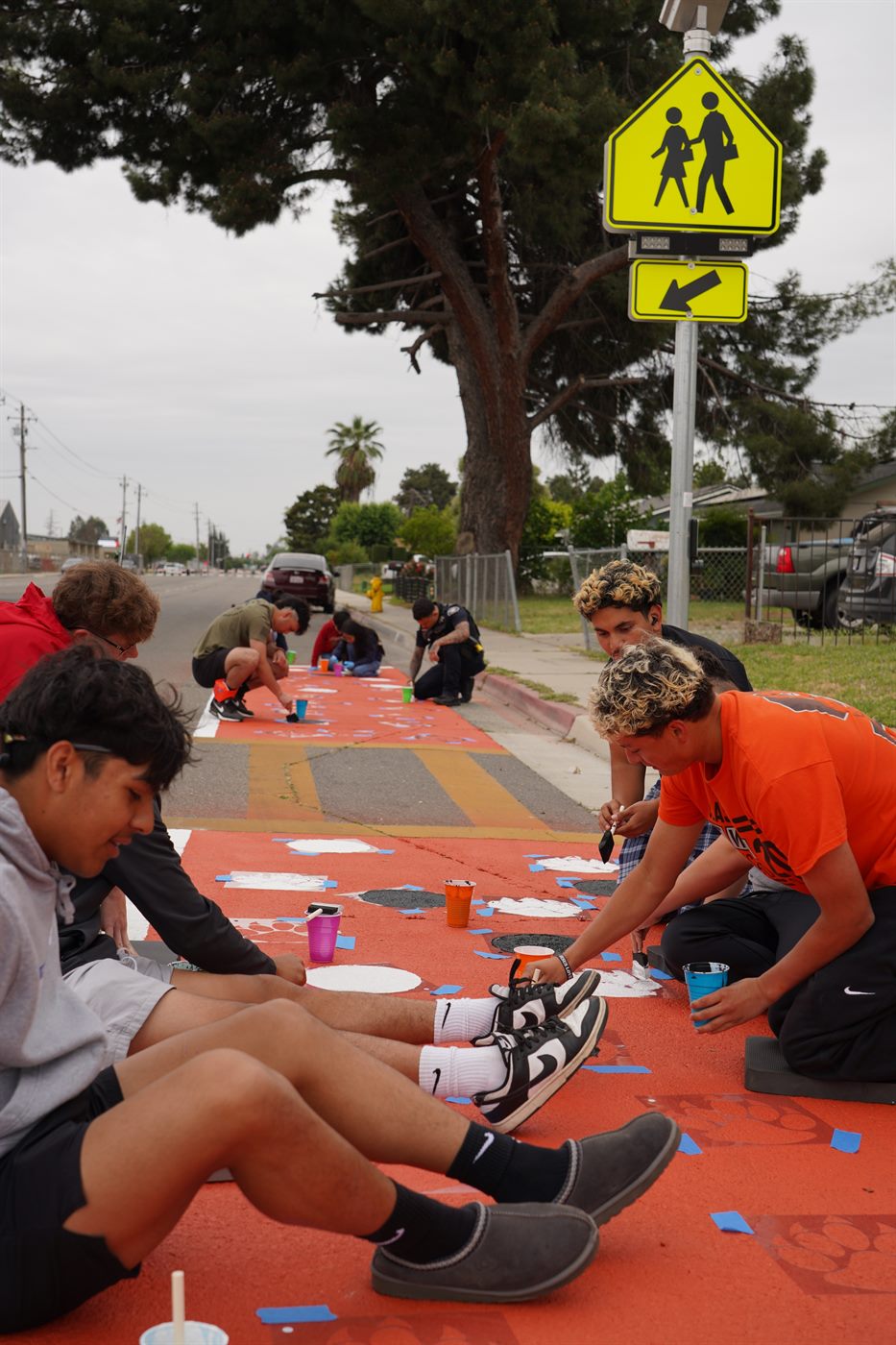
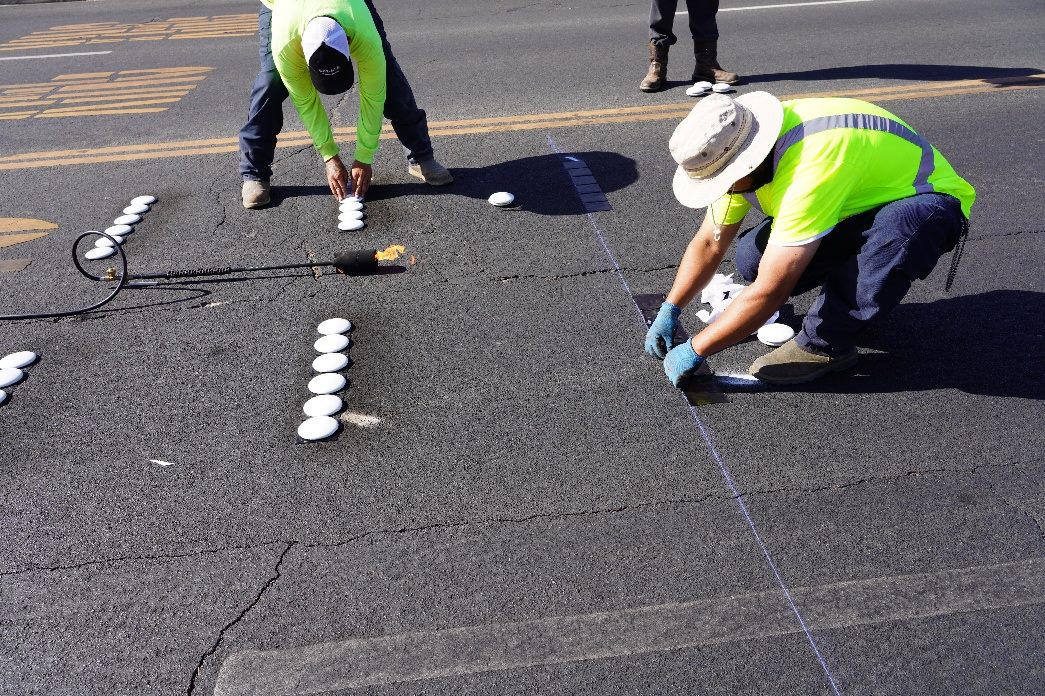
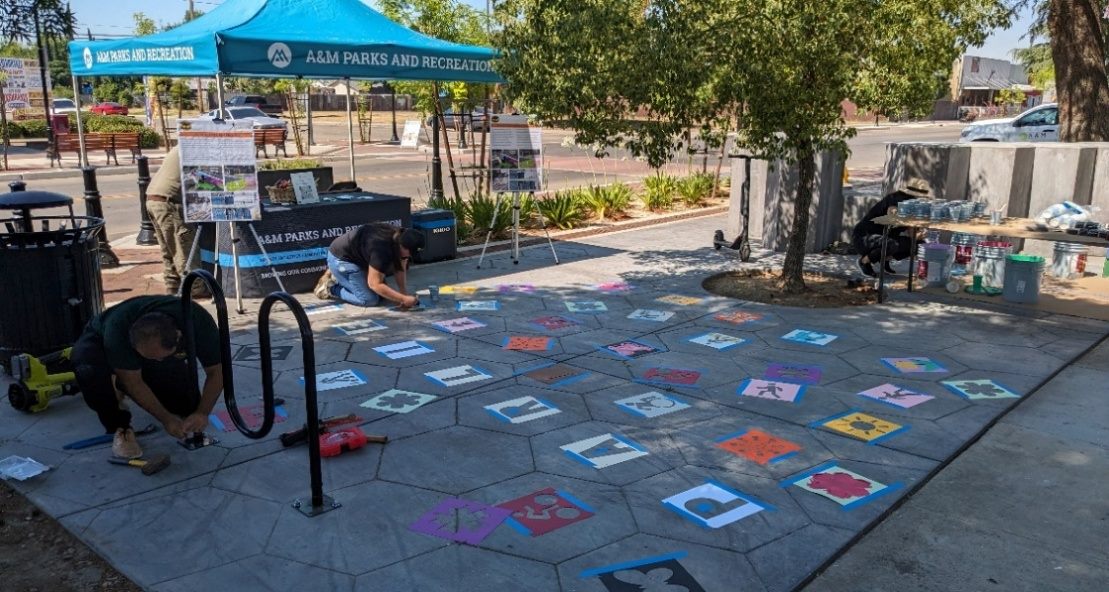
A plan on paper asks people to imagine. A pilot lets them experience it — the shorter crossing, the slower cars, the street that suddenly feels like it belongs to the kids walking home. That's how trust gets built, and how good projects get the support they need to become permanent.
It's safer streets and stronger communities, proven one block at a time.
“Test it in a weekend. Prove it with data. Build it for a generation.”
From the first community survey to the final permanent design, your city has one accountable partner for every piece of the work.
Tell us about the crossing, the corridor, or the school route that keeps you up at night. We'll help you test a fix your community can see and feel — and prove it works before you build it.